After birth
Postpartum & newborn care
Honest guides to the months after birth — physical recovery, mental health, feeding, sleep, and finding your footing as a new parent. No bounce-back narratives, no shaming, no pressure.
8 live

What recovery actually looks like
The weeks after birth get far less attention than the months before it, and the result is that a lot of entirely normal recovery comes as a surprise — along with some things that are not normal and need a phone call.
Bleeding carries on for several weeks and tapers, going from red to brown to lighter. Afterpains, the cramping as the uterus contracts back down, are often stronger with a second or third baby and tend to show up during feeding. Stitches, whether from a tear or a caesarean, are sore in a way that improves week by week rather than day by day. Sweating at night, hair falling out a few months later and feeling emotional around day three to five are all common and all pass.
The things that warrant contacting someone the same day: bleeding that soaks a pad in an hour or passes large clots, a temperature, a wound that becomes hot or smells, pain or swelling in one calf, chest pain or breathlessness, a severe headache or visual changes, or blood pressure problems that continue after birth. Preeclampsia can appear for the first time after delivery, which is the part people are least often told.
Mental health deserves the same plainness. Low mood in the first week or so is extremely common and usually lifts. Depression or anxiety that settles in, deepens, or starts later — it can begin at any point in the first year — is a medical condition with good treatments and is not a verdict on you as a parent. Intrusive thoughts about harm are both commoner and more treatable than most people realise, and are worth saying out loud to a professional rather than carrying.
Checks after birth have moved on from the single six-week appointment. The current recommendation is contact within the first few weeks and a fuller review by around twelve, because the problems that appear in this period rarely wait that long to start.

Whether you formula feed by choice or necessity, this article settles safe amounts, safe prep, and the symptoms that mean it's time to call your pediatrician.
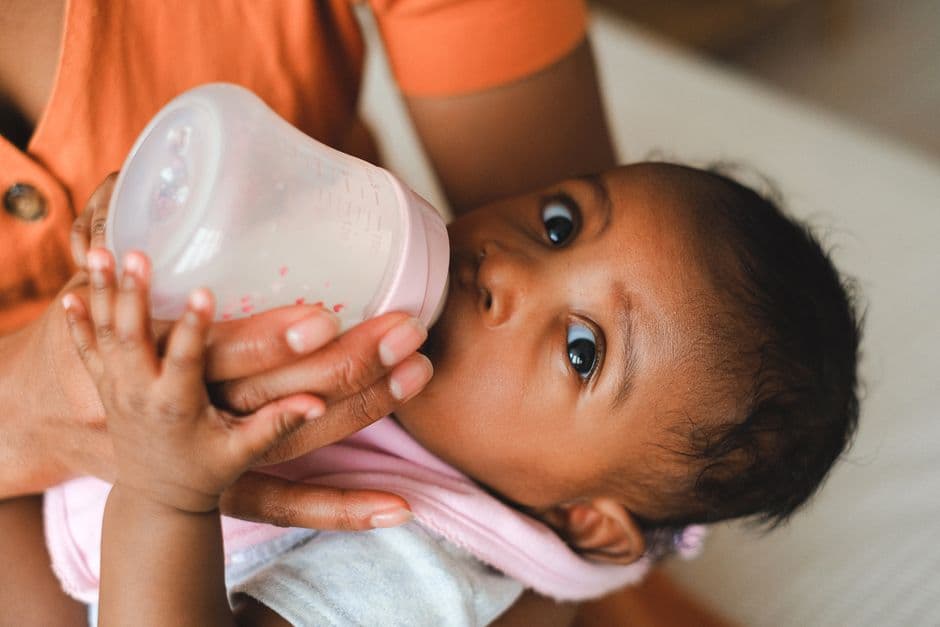
This article settles how often to feed, how to tell your baby is getting enough, and the specific symptoms — in you or your baby — that mean it's time to call a provider.

This article settles what a realistic C-section recovery timeline looks like, how to care for your incision, and the specific symptoms that mean it's time to call your provider.

This article settles how much sleep is normal for a newborn, what "safe sleep" actually means in practice, and which sleep-related symptoms warrant a same-day call to your pediatrician.

This settles what's actually normal to feel down there after birth, how and when to safely restart pelvic floor exercises, and the symptoms that mean it's time to call your doctor.

1 in 7 birthing parents develop postpartum depression — and many more experience anxiety, intrusive thoughts, or other symptoms worth treating. None of it makes you a bad parent.
What recovery actually looks like in the first six weeks — physically and practically, without the soft-focus filter.
This article walks through what actually happens at the 6-week postpartum visit — what's checked, what counts as normal healing, and which symptoms shouldn't wait that long.
Have feedback or spotted something wrong? Email us at hello@babybumpkit.com.