Staying well
Healthy pregnancy
Most pregnancy advice arrives as a list of things you can no longer do. These guides give you the reason behind each one instead, because the reason is what helps you decide about the situations no list covers. Where guidance differs between countries, we say so.
6 live

What actually makes a difference
Most pregnancy advice is a very long list, which makes everything on it feel equally weighted. It is not. A handful of things have a measurable effect on outcomes, and a great deal of the worry that gets spent on this subject goes to items much further down.
The short list: folic acid, ideally from before conception and through the first twelve weeks, which meaningfully reduces neural tube defects. Not smoking, which is the single biggest modifiable risk in pregnancy. No alcohol, because no safe amount has been established. Getting any pre-existing condition — diabetes, thyroid disease, high blood pressure, epilepsy — reviewed early, since medication and monitoring may need to change. The vaccines offered in pregnancy, which protect the baby in the first weeks of life when they cannot be vaccinated themselves. And going to your appointments, which is how the problems that have no symptoms get caught.
The usual folic acid dose is 400 micrograms a day, but a higher dose is advised for some people — a previous pregnancy affected by a neural tube defect, diabetes, certain epilepsy medicines, or a higher BMI among them. That is a conversation to have rather than a number to assume.
Then there is the long list: the single coffee, the soft cheese at a party, the hair dye, the glass of wine before you knew. Caffeine is usually capped around 200 milligrams a day, which is roughly two mugs of instant coffee, and the food rules exist because of infection risk rather than anything intrinsic to the food. These are worth knowing and not worth losing sleep over. If something has already happened, the useful move is to mention it at your next appointment, not to spend the week searching.

This settles the two questions parents ask most often — whether there's a safe amount of caffeine, and why there isn't one for alcohol — and what to do about drinks you already had before a positive test.
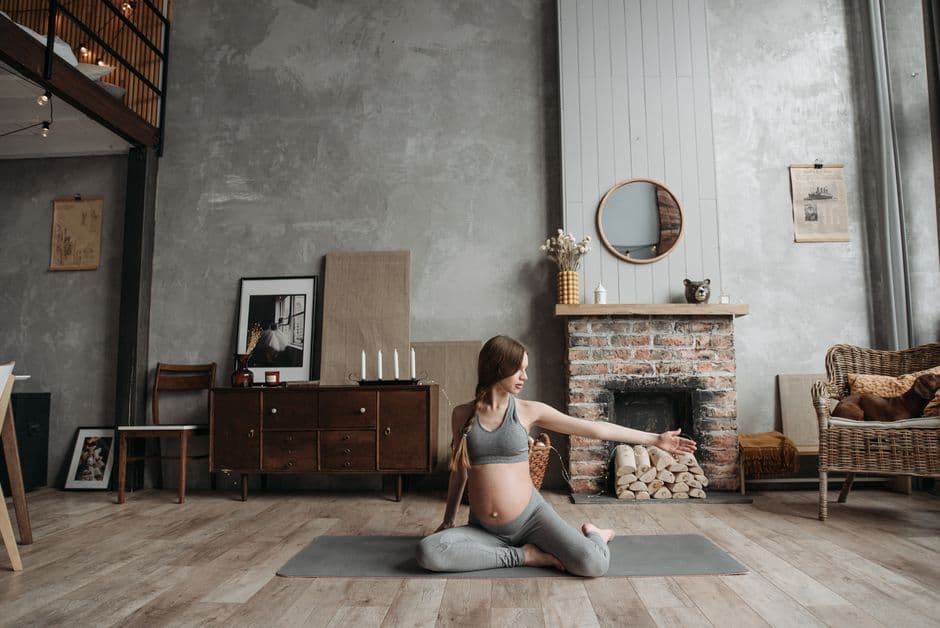
This settles what changes about exercise once you're pregnant, which activities to avoid and why, and exactly which symptoms mean stop and call your provider the same day.

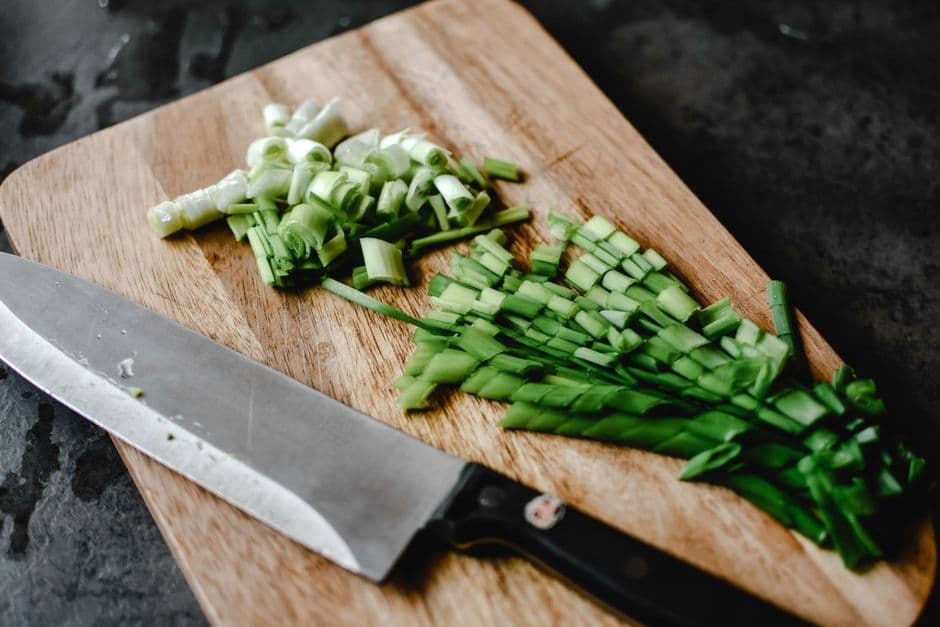
This settles which foods carry a real risk in pregnancy, which are fine in normal amounts, and what to do if you've already eaten something on the list.

This settles what's ordinary about disrupted pregnancy sleep, what genuinely helps, and which symptoms — swelling, breathing pauses, reduced movement — are worth a same-day call instead.

Whether and how to travel during pregnancy depends on your trimester, your mode of transport, and your individual risk factors — here's how to think through each one.
Most eating advice during pregnancy arrives as a list of prohibitions. This is the reasoning instead — what your body genuinely needs more of, which foods carry real risk and why, and what to do when nausea makes the whole question academic.
Have feedback or spotted something wrong? Email us at hello@babybumpkit.com.